
PowerGuard-D1000 Mil-Spec DC-DC Converter — Regulated 24 VDC / 1 kW from 12 VDC
Input
10–18 VDC (12 VDC nominal)
Output
24 VDC regulated (23.8–24.5 V)
Output current
41.7 A continuous (45 A max., current limit ~110%)
Power
1000 W continuous, no derating up to +55 °C
Efficiency
≥ 90% (12 V input, full load)
Regulation
±1% typ., ±2% max. (line and load)
Isolation
1500 VDC input–output
Operating temperature
-32 °C to +55 °C
Power connectors
MIL-DTL-38999 Series III
Standards
MIL-STD-810G · MIL-STD-461
Overview
Product and Purpose
The PowerGuard-D1000 Mil-Spec DC-DC Converter is a high-reliability power conversion unit developed by TEDEG Defence for demanding military and outdoor environments. It converts a nominal 12 VDC input (10–18 VDC range) into a regulated 24 VDC / 1 kW continuous output and carries full load at +55 °C without derating.
Where 24 V equipment has to run on a vehicle with a 12 V battery system, D1000 creates a stable 24 V bus between the vehicle supply and the mission electronics. Cold-crank and transient protection are built into the input stage, and the input is compatible with a 12 V military vehicle bus to the ISO 7637-2 profile.
The unit has a fully sealed, fanless aluminium enclosure designed for outdoor installation under rain, dust and vibration. Heat is carried through a conduction-cooled baseplate directly into the host system or an external heatsink. With no moving parts, it runs silently and needs far less maintenance.
Engineering Capability
Input characteristics:
| Feature | Value |
|---|---|
| Input voltage range | 10–18 VDC (12 VDC nominal) |
| Input current at full load | 95 A max. (12 VDC, 1 kW output, η ≥ 90%) |
| Undervoltage lockout (UVLO) | 8.5–9.5 V, with hysteresis |
| Reverse polarity protection | Active electronic protection |
| Input fuse | 100 A, fast-acting, user-replaceable |
| Input filter | Integrated differential- and common-mode EMI filters |
| Surge protection | TVS diodes and LC damping network |
Output characteristics:
| Feature | Value |
|---|---|
| Output voltage | 24.0 VDC (23.8–24.5 V), factory-set; optional ±5% trim |
| Continuous output power | 1000 W, no derating at +55 °C |
| Output current | 41.7 A nominal, 45 A max.; current limit ~110% |
| Voltage regulation | ±1% typ., ±2% max. (over full input and load range) |
| Ripple and noise (20 MHz BW) | 200 mVp-p max. |
| Efficiency | 90% typ. (12 V input, full load, +25 °C) |
| Hold-up time | 5 ms typ. (internal capacitance; external bulk optional) |
| Isolation (input–output) | 1500 VDC, 1-minute factory test |
| Start-up delay | 500 ms typ., 1000 ms max. |
| Remote sensing | Optional sense lines, ±5% |
Protection and control:
- Protection functions: Overvoltage (OVP), overcurrent (OCP), short circuit (SCP), overtemperature (OTP) and reverse polarity
- Remote enable/disable: Opto-isolated ON/OFF pin
- Power Good signal: Indicates a stable output within regulation
Optional communication interfaces:
- CAN-Bus (ISO 11898 / J1939): For vehicle integration
- RS-485 (Modbus/RTU): For industrial control networks
- Ethernet (Modbus/TCP or REST): For advanced system monitoring and diagnostics
These interfaces support remote configuration, performance monitoring, fault reporting and firmware updates.
Connectors and mechanical design:
- Power input (CN1): MIL-DTL-38999 Series III, D38999/24WE6PN, 12 AWG
- Power output (CN2): MIL-DTL-38999 Series III, D38999/24WE6SN, 12 AWG
- Optional communication (CN3): PT02E10-6P, 22 AWG (CAN H/L or RS-485 A/B)
- The connectors provide 360° EMI shielding and environmental sealing; keyed configurations prevent input and output cables being mismated.
- Mounting: Directly onto a vehicle frame or system heatsink via the conductive baseplate. Standard EMI filters and bonding points are provided, and pre-terminated harness sets are available on request.
- Main dimensions (mechanical drawing): 220 × 330 × 150 mm, 4 × Ø8.5 mm mounting holes
Environmental resilience:
| Feature | Value |
|---|---|
| Operating temperature | −32 °C to +55 °C (1000 W continuous, no derating) |
| Storage temperature | −40 °C to +71 °C |
| Cooling | Conduction-cooled, fanless |
| Environmental standard | MIL-STD-810G (temperature, vibration, shock, humidity) |
| EMC | MIL-STD-461 (conducted and radiated emissions) |
Remote Commander Control Box (optional): A rugged field accessory that gives operators control without direct access to the unit. It provides remote ON/OFF, fault reset (CIT/Reset) and a Blackout button that instantly disables all outputs. Power, overvoltage, overcurrent and Blackout status are shown on LEDs, with voltage and current on a digital display. The aluminium front plate mounts in a dashboard or rack; the box connects to D1000 over an RS-485 / CAN-Bus line and operates from −32 °C to +55 °C. Cable length is 3 m as standard, with 5–10 m as an option.
Typical Applications
- Military and tactical vehicles: Converting 12 V vehicle power into a stable 24 V bus for onboard electronics, communication and weapon systems
- Mobile command and communication units: Supplying radio transceivers, radar, data routers and network control systems
- Field power distribution systems: Integration into outdoor enclosures or shelters to power surveillance and sensor networks
- Unmanned ground and surface platforms (UGV / USV): A compact DC bus converter for autonomous or remotely operated systems
- Industrial and emergency power systems: Wherever silent, fanless, sealed DC power is needed for critical communication or monitoring
The TEDEG Advantage
D1000 produces 1 kW of 24 V power from a 12 V vehicle bus in a single sealed unit, so 24 V equipment can be fitted to 12 V platforms without reworking the vehicle's electrical system. Cold-crank and transient protection, UVLO, active reverse polarity protection and a replaceable 100 A fuse come as standard on the input side. Delivering 1 kW without derating at +55 °C means the rated capacity holds in hot climates and enclosed vehicle compartments. The optional CAN-Bus (J1939) interface connects the unit straight into the vehicle network.
For 24 VDC / 1 kW from a single-phase AC source, see the PowerGuard-A1000 AC-DC converter; if you need both DC and AC outputs from a vehicle DC bus, see the TPS-24DCAC Military Power Conversion Unit.
Corporate assurance: TEDEG Defence is an approved supplier of ASELSAN, Roketsan and the Turkish Ministry of National Defence (MSB), with NATO supplier registration under NCAGE: TM885.
Specifications
| Input | 10–18 VDC (12 VDC nominal) |
| Output | 24 VDC regulated (23.8–24.5 V) |
| Output current | 41.7 A continuous (45 A max., current limit ~110%) |
| Power | 1000 W continuous, no derating up to +55 °C |
| Efficiency | ≥ 90% (12 V input, full load) |
| Regulation | ±1% typ., ±2% max. (line and load) |
| Isolation | 1500 VDC input–output |
| Operating temperature | -32 °C to +55 °C |
| Power connectors | MIL-DTL-38999 Series III |
| Standards | MIL-STD-810G · MIL-STD-461 |
MIL-STD Compliance
MIL-STD-461
EMI/EMCMIL-STD-810G
EnvironmentalDatasheet
Related Products
AC-DC & DC-DC Power Converters
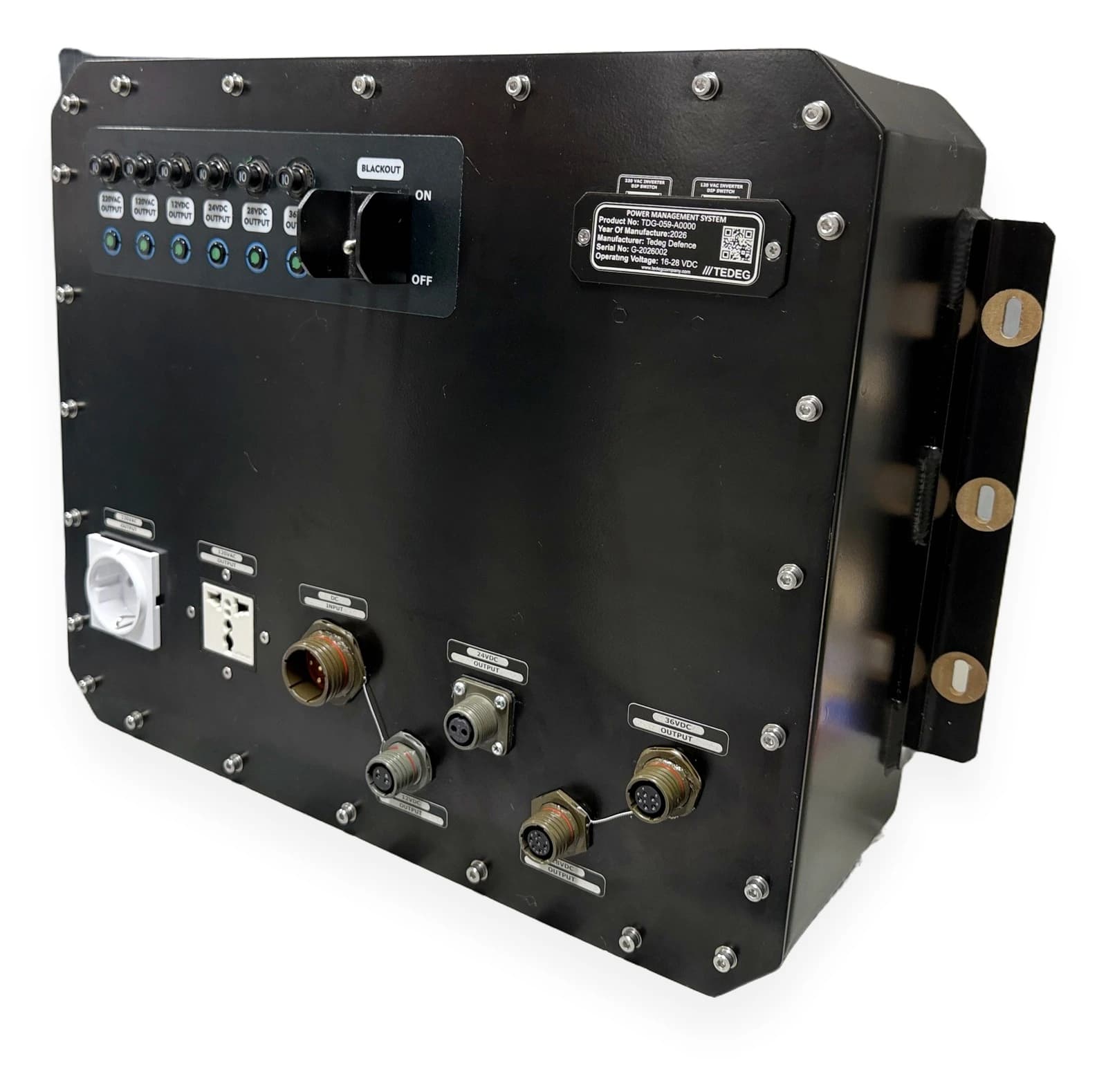
PowerGuard TPS-24DCAC Military Power Conversion Unit (4× DC + 2× AC)
Details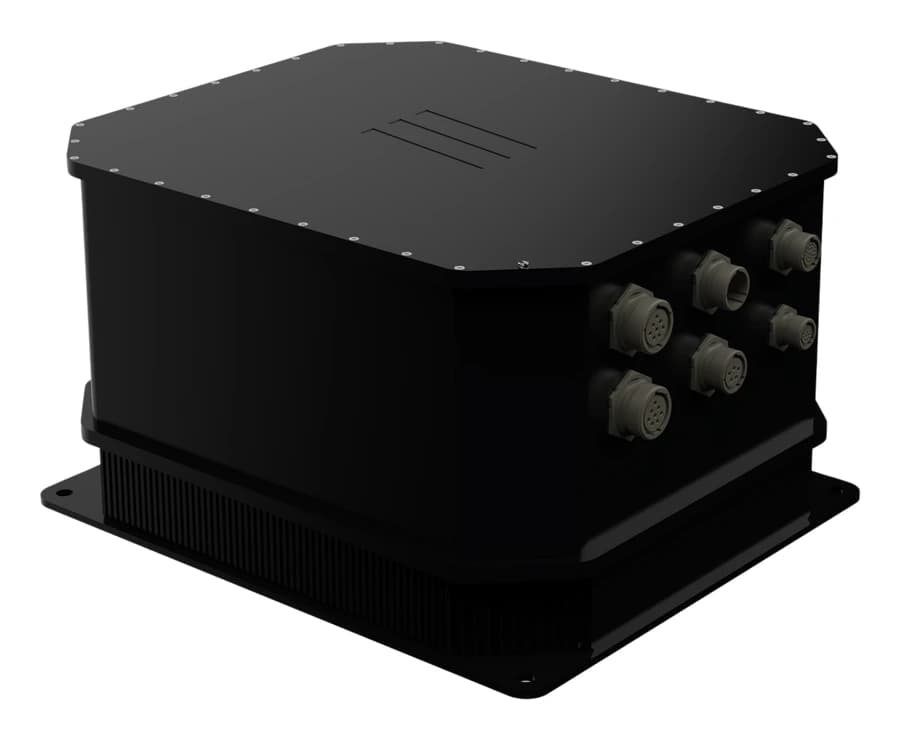
AC-DC & DC-DC Power Converters
PowerGuard TPS-28 Military Power Management Module (28 VDC Output)
Details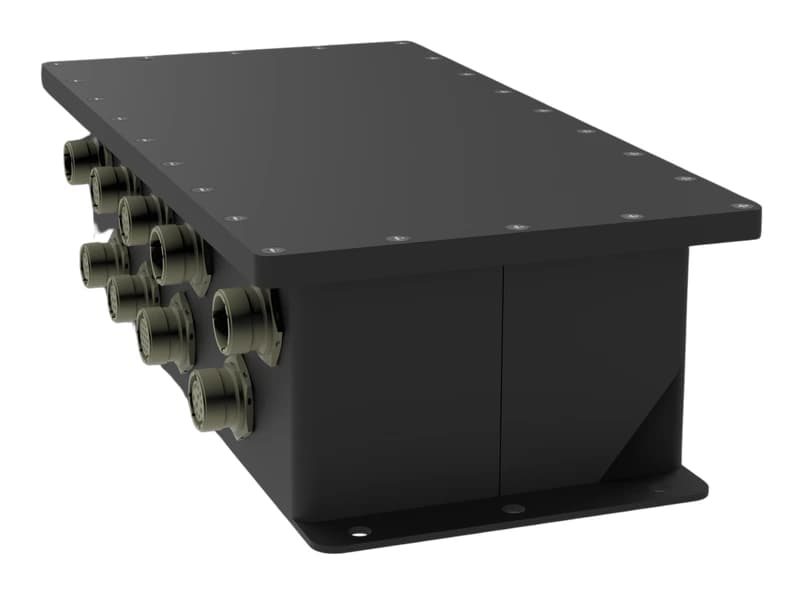
AC-DC & DC-DC Power Converters
PowerGuard-A 380 VAC to 28 VDC Military AC-DC Converter & Distribution System
DetailsFAQ
What input voltage range does D1000 accept?+
It runs from 10–18 VDC with a nominal 12 VDC input. The input is compatible with a 12 V military vehicle bus to the ISO 7637-2 profile, with integrated cold-crank and transient protection. Undervoltage lockout (UVLO) engages at 8.5–9.5 V.
How much current does it draw at full load?+
At 12 VDC input and 1 kW output, input current is up to 95 A (η ≥ 90%). The input has a 100 A fast-acting, user-replaceable fuse, and cabling should be sized accordingly.
Can it deliver full power in hot conditions?+
Yes. It provides 1000 W continuous output at +55 °C without derating. The operating range is −32 °C to +55 °C and the storage range is −40 °C to +71 °C. Cooling is fanless; heat passes through the baseplate into the vehicle frame or an external heatsink.
How does it connect to the vehicle network?+
CAN-Bus (ISO 11898 / J1939), RS-485 (Modbus/RTU) or Ethernet (Modbus/TCP or REST) interfaces can be added as options for remote configuration, monitoring, fault reporting and firmware updates. For basic control, an opto-isolated ON/OFF pin and a Power Good signal are always available.
Which connectors does it use?+
Power input and output use MIL-DTL-38999 Series III connectors (D38999/24WE6PN and D38999/24WE6SN). Keyed configurations prevent input and output cables being mismated. A PT02E10-6P connector is specified for the optional communication line.