
SERVICE · ANALYSIS
Structural Analysis & Simulation
Verified and Reliable Engineering Approach
TEDEG Defence performs engineering simulations to analyse how developed systems behave under real field conditions.
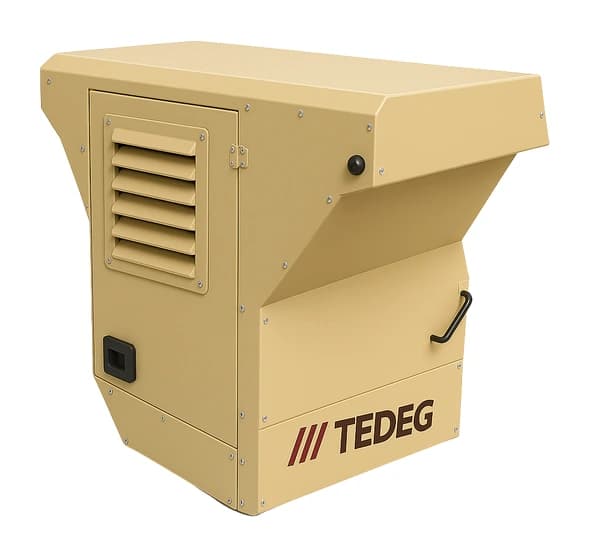
Analysis Services
Structural strength analyses
Vibration analyses
Thermal analyses
Heat distribution simulations
Mechanical stress analyses
Airflow analyses
Weight optimisation studies
Shock resistance evaluations
Finite element analyses (FEA)
How we work
Analysis begins with the load cases, not the mesh. Together we define what the unit must survive: the vibration and shock profiles of the platform, the temperature range, the mounting orientation and the worst-case power dissipation. These come from your platform specification and from the MIL-STD-810 methods the programme calls for, so the analysis answers the same questions the laboratory will ask later.
The model is built from the actual design, with the enclosure, the mounting points, the boards and the heavy components represented at the level of detail the question needs. Structural strength, modal and vibration behaviour, shock response, thermal distribution and airflow are studied as separate cases and then read together, because a change that helps one usually costs another. Results are reviewed with the designers while the design is still open; where the margin is thin, we change the design and run the case again rather than report the risk and move on.
What we deliver
Each analysis is delivered as a report that states the question, the model, the boundary conditions and loads, the material data, the results and the conclusion in terms a reviewer can check: stress against allowable, natural frequencies against the excitation band, temperatures against component limits, mass against target. Plots and tables are included, but the report is written so that the conclusion stands without them.
Where the analysis leads to design changes, the report records what was changed and why, so that the final geometry can be traced back to a decision. Weight optimisation studies include the mass breakdown before and after; thermal work lists the component temperatures at the defined ambient and dissipation and describes the cooling concept. The models remain available: when the platform changes a load case, the same model is updated and re-run instead of being rebuilt.
Standards and products we build on
Load cases are taken from MIL-STD-810: vibration categories under Method 514, functional and transport shock under Method 516, and the temperature methods set the thermal envelope. Analysis does not replace testing; it is how we go into the laboratory with margin. The PowerGuard Outdoor and the PowerGuard 115/200 VAC 400 Hz static frequency converters later passed vibration and shock tests at an ISO/IEC 17025 laboratory (reports V 1731 23228 00 00 BE and V 1731 23268 00 01 BE), the outcome analysis prepares for.
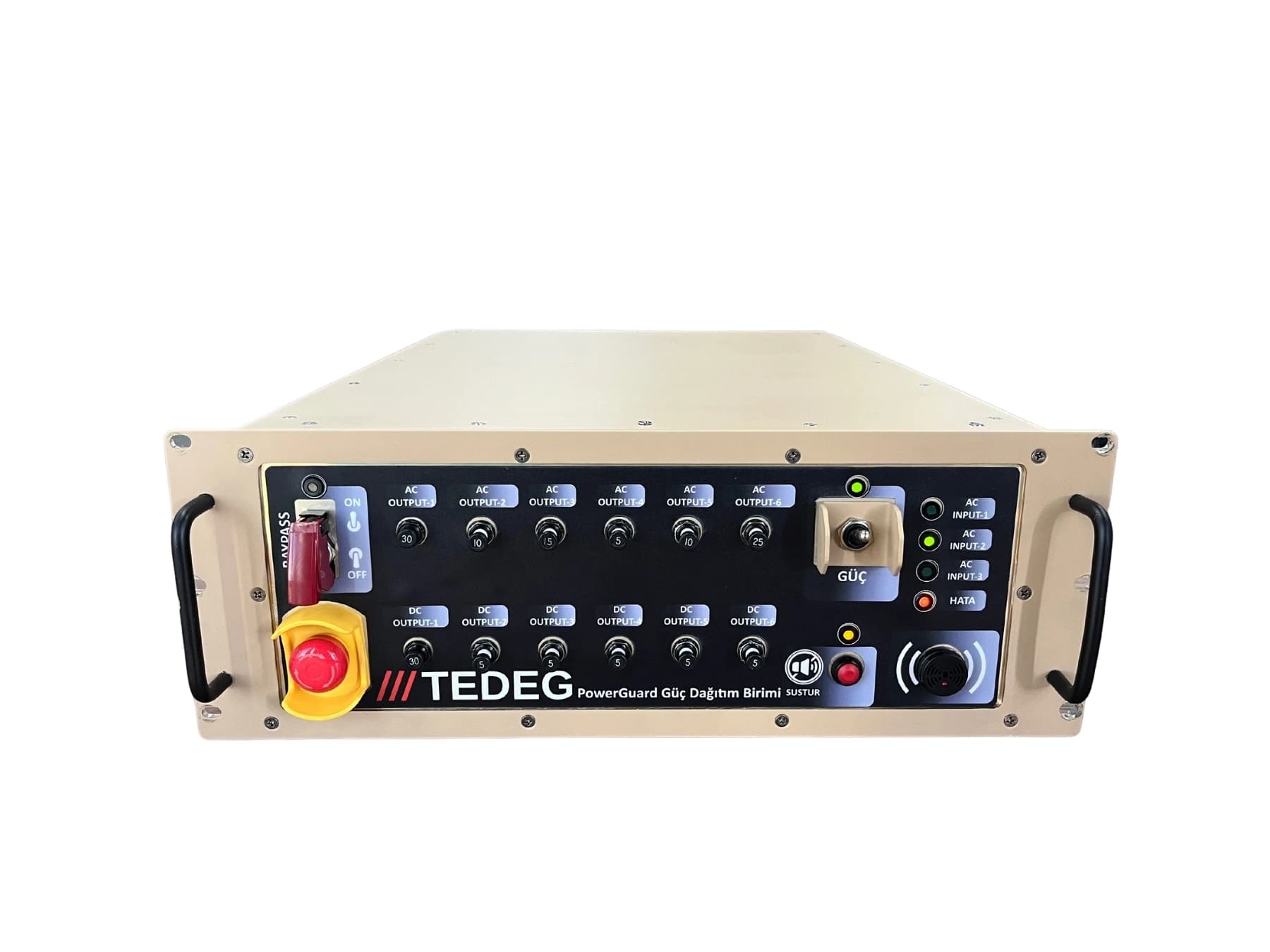
Our products show where analysis matters most. The PowerGuard YGG-DS11 military APU is a heavy, water-cooled unit integrated into armoured vehicles; mounting loads and heat rejection decide its design. The PDU-RT5002 is a 19-inch 4U rack unit for tactical trucks and fixed sites, where rack-mounted mass under vibration and the thermal path of ten protected outputs are the questions. Sealed, fanless units such as the Mil-Drive-55 depend on conduction and surface cooling, which thermal analysis must prove at the upper temperature limit.
Engineering Approach
These studies increase field reliability and operational ruggedness of products.
FAQ
When in the design does analysis give the most value?+
Before the geometry is frozen. A concept-level model shows whether the mounting and cooling approach can work at all, and a detailed model then confirms the margins of the final design. Analysis is run in stages alongside the design and closed before manufacturing drawings are released.
What do we receive, and can our own reviewers check the work?+
A report that documents the model, the loads, the boundary conditions, the material data and the results against the acceptance criteria, so that a reviewer can follow every step. Reports and models for customer-specific work are delivered under the terms of the contract. The report explains the method and the assumptions rather than relying on a tool name.
Does analysis replace environmental testing?+
No. Analysis shows where the margins are and lets us fix the design before a test, but qualification is demonstrated by testing at an accredited laboratory against the MIL-STD-810 methods your programme requires. We describe a design as designed to a standard until a test report exists.
What happens when the platform changes a load case or the envelope?+
The existing model is updated and the affected cases are re-run, and the report is reissued under a new revision stating what changed. Changes that affect the mechanical interface or the qualification basis are notified to you in writing and submitted for approval. Earlier revisions are kept so that the design history remains traceable.